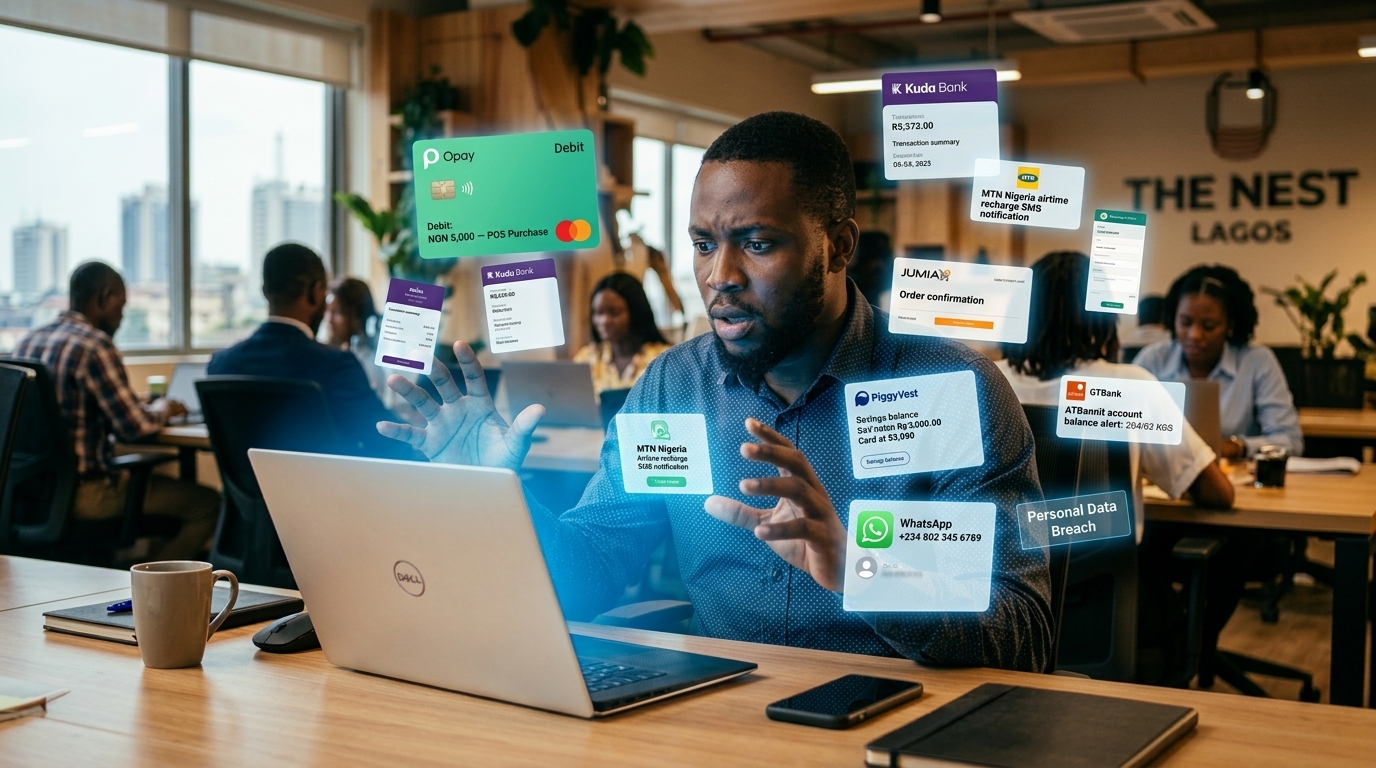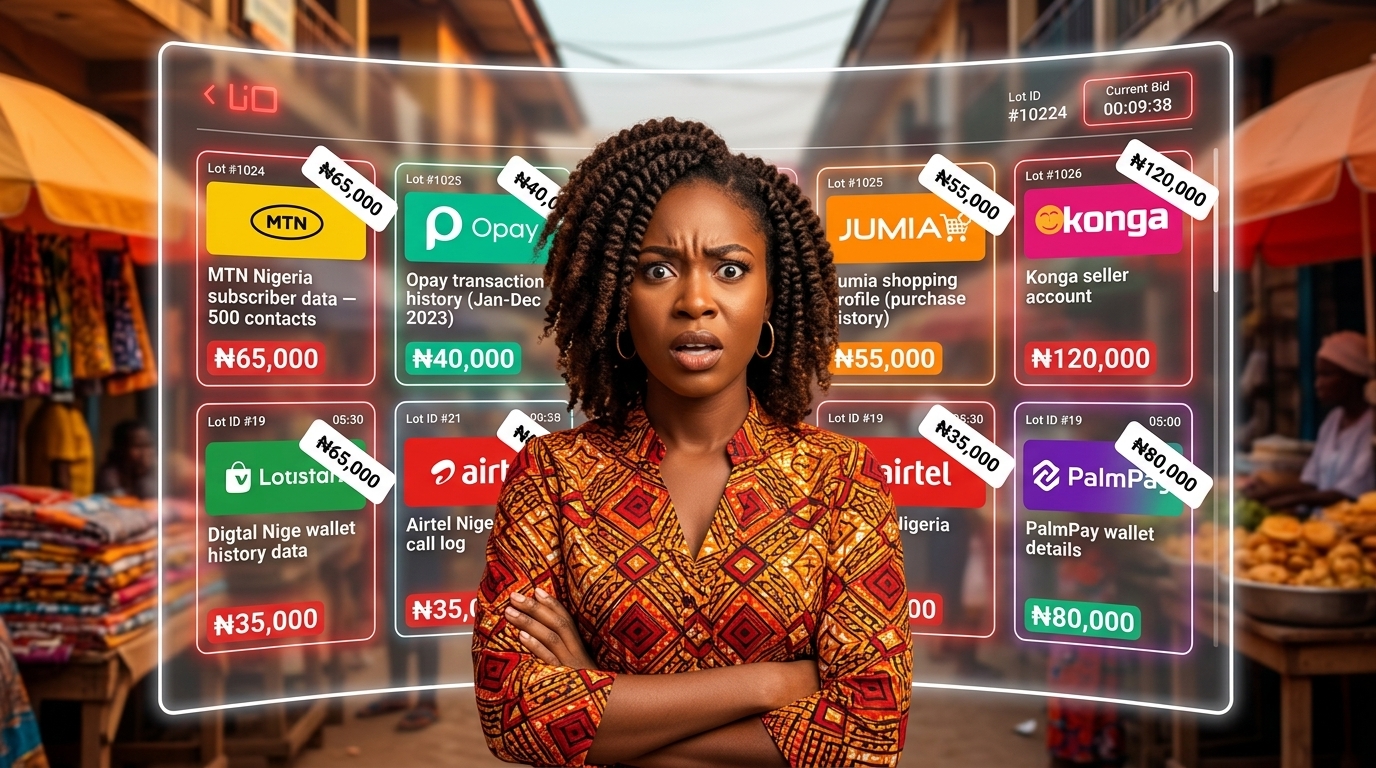
You have never signed up to Spokeo. You have never heard of BeenVerified. You have never visited Whitepages. Yet all three of these platforms are selling your full name, phone number, home address, and in some cases your estimated income and family members' names to anyone willing to pay a small fee.
This is the reality of data brokers, and it is one of the most overlooked digital security threats facing small business owners in Nigeria and across Africa today. This article explains exactly what data brokers are, how they obtained your information, why it matters for your business, and the specific steps to remove yourself from the most important platforms.
This post is part of our complete guide on how to delete your digital footprint online .
What Is a Data Broker?
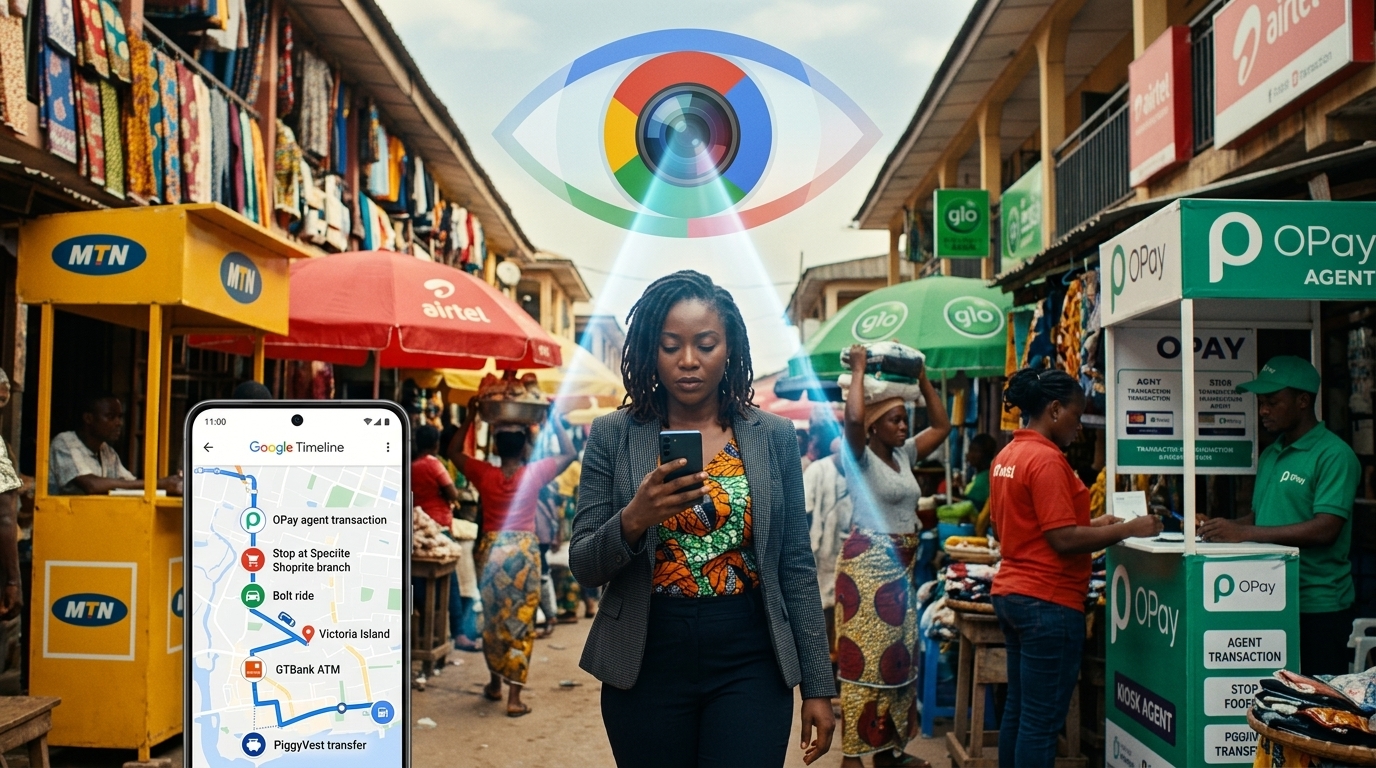
A data broker is a company whose entire business model is collecting personal information about individuals and selling it to third parties. They are not hackers. They do not need to break into anything. They harvest data that is technically public, gathered from voter registration records, court documents, property records, social media profiles, online directories, and purchase histories, and they aggregate it into detailed profiles on hundreds of millions of people.
Those profiles are then sold to marketing agencies, insurance companies, background check services, loan companies, private investigators, and anyone else who pays for access. The industry generates billions of dollars per year globally and operates entirely legally in most jurisdictions.
How Did They Get Your Information?
This is the question most people ask first, and the answer is unsettling. Data brokers aggregate your information from multiple sources that most people never consider public records.
Business registrations
If your business is formally registered in Nigeria, your registration details including your name and address may appear in public records databases that data brokers index continuously.
Social media profiles
Every piece of information on your public Facebook, LinkedIn, or X profile, including your name, phone number, workplace, location, and education history, is harvested and stored by data broker crawlers.
Online directories and listings
Nigerian business directories, Google Business Profile listings, industry association websites, and freelance platform profiles are all indexed and scraped on a regular basis.
Data purchases from third parties
Data brokers buy data from other data brokers, from loyalty programmes, from apps that sell user data as part of their business model, and from platforms with weak privacy policies. Your information may have changed hands several times before landing on a data broker site.
Old websites and forums
A comment you left on a forum in 2014 with your real name and email is still indexed by data brokers. Age is no barrier to harvesting.
Why This Is a Specific Risk for Nigerian Business Owners
For business owners in Nigeria who are building an online presence through a website, social media, Google Business Profile, or digital marketing, data exposure carries direct financial and reputational risk.
Client impersonation fraud
A fraudster who finds your business details, phone number, and client names through data broker profiles can contact your clients pretending to be you. This type of social engineering attack is growing rapidly across Nigeria and West Africa.
Targeted phishing attacks
Knowing your email address, your business name, and your suppliers gives a phishing attacker everything needed to craft a convincing fake invoice or payment change request that looks completely legitimate to your clients.
Competitive intelligence misuse
Competitors can use data broker profiles to identify your team members, your physical location, and potentially your client relationships, using this to undercut your proposals or approach your clients directly.
Reputational damage from stale data
Outdated addresses or phone numbers on data broker sites mean potential clients who try to verify your business through a quick internet search find conflicting information, which immediately raises doubt about your credibility.
The Three Data Broker Sites to Remove Yourself From First
There are over 200 data broker platforms operating globally, but these three are the highest-traffic and the most commonly used by fraudsters, marketers, and background check services. Removing yourself from these three eliminates the majority of your easy-to-find exposure.
How to remove yourself from Spokeo
- Go to spokeo.com and search your full name.
- Locate your profile in the results and copy the URL of that specific profile page.
- Navigate to spokeo.com/optout and paste the profile URL into the removal form.
- Enter your email address and submit the request.
- Check your inbox and click the confirmation link in the email Spokeo sends you.
- Processing takes 24 to 48 hours.
How to remove yourself from Whitepages
- Go to whitepages.com/suppression-requests.
- Search your name and location to find your listing.
- Click "Remove me" and select a reason for the removal.
- Verify your identity via phone call. Whitepages will call the number listed on your profile.
- Confirm the removal when prompted. Your listing is suppressed within a few hours.
How to remove yourself from BeenVerified
- Go to beenverified.com/opt-out.
- Enter your name, country, and approximate age.
- Locate your record in the results and check the box next to it.
- Click "Proceed to Opt Out" and enter your email address.
- Confirm via the email BeenVerified sends you. Processing takes up to 24 hours.
Important note: Check back on all three sites after 30 days. Data brokers re-scrape public sources periodically and may republish your information. If your profile reappears, submit the removal request again. Most profiles require two or three cycles before they stay down permanently.
Nigerian-Specific Directories to Audit
While the major international data brokers are the most urgent to address, Nigerian businesses should also audit their presence on these local platforms.
VConnect
VConnect (vconnect.com) is one of Nigeria's largest business directories. If your personal phone number appears on a listing you no longer manage, contact VConnect directly to update or remove it.
Domain WHOIS records
If you registered your website domain without WHOIS privacy protection enabled, your name, address, and phone number are publicly visible in the WHOIS database. Contact your domain registrar to enable WHOIS privacy. This replaces your personal details with the registrar's generic contact information.
Google Business Profile
Your GBP address and phone number are publicly indexed by Google. Ensure only your business address is listed, not your home address, and use a dedicated business phone number rather than your personal mobile.
APIE Business and similar aggregators
Third-party platforms that scrape and republish Nigerian business data sometimes hold outdated or incorrect contact information. Search your business name on Google, identify any such listings, and contact the platform to correct or remove them.
How to Stop Future Data Collection
Removing yourself from current data broker listings is a one-time cleanup. Staying off them requires changing a few ongoing habits.
Use a separate business email
Never use your personal email for business directory listings or client communications. Keep them completely separate. If your personal email is compromised, your business accounts remain protected.
Enable WHOIS privacy on your domain
When registering or renewing your website domain, always enable domain privacy protection. Most reputable registrars offer this at no extra cost or for a small annual fee.
Audit social media privacy settings quarterly
Review what information is publicly visible on your LinkedIn, Facebook, and Instagram profiles every three months. Remove your personal phone number and home address from any platform that does not require it to function.
Frequently Asked Questions
Are data brokers illegal in Nigeria?
Data brokers operating internationally are not illegal in Nigeria, though the Nigeria Data Protection Regulation (NDPR) restricts how personal data of Nigerian citizens can be processed. The most practical response is to use each platform's built-in opt-out process rather than relying on enforcement action.
How often should I check and remove my data from broker sites?
Check every three to six months. Data brokers re-scrape public sources regularly and may republish your information after removal. Adding a semi-annual review to your business calendar keeps you protected on an ongoing basis.
Will removing myself from data brokers affect my business SEO?
No. Data broker profiles have no positive SEO value for your business. Your Google visibility comes from your website, your Google Business Profile, and your social media presence, none of which are affected by data broker removal.
Can I pay a service to handle all removals for me?
Yes. Services like DeleteMe and Kanary offer paid subscriptions that manage ongoing data broker removals across hundreds of platforms, starting at around 10 to 15 dollars per month. These are legitimate and worthwhile if you do not have time to manage the process manually.
What Nigerian directories should I check for my business data?
The main Nigerian platforms to check are VConnect, your domain WHOIS records, Google Business Profile, and APIE Business. Search your business name on Google, identify any listings with incorrect or outdated information, and contact each platform to correct or remove the entry.
Ready to build a professional, secure digital presence for your business? Contact Devv Plug Tech for a free consultation. We design and build websites for Nigerian businesses that establish trust, rank on Google, and convert visitors into paying clients.